
In 2026, the average mobile gamer spends 3.2 hours per day on games, up from 2.1 in 2024. That extra time isn’t just idle scrolling; it’s driven by two new mechanics that keep players hooked: micro‑progression and real‑time social challenges. The first pushes short, repeatable tasks that reward incremental gains, while the second pits friends or global players against each other in daily competitions that reset every 24 hours. Together, they create a rhythm that feels natural, like checking a notification, rather than a forced session.
How do micro‑progression systems actually boost engagement?
Micro‑progression breaks long quests into bite‑size objectives. For example, a game might offer a “daily 5‑minute run” that unlocks a new avatar skin after 30 runs. Because each goal is achievable in a single session, the player feels a sense of accomplishment immediately. This design reduces the friction of “I need to play for hours to see progress.” Studies from 2025 show that games with micro‑progression retain 27% more users after six months than those that rely on traditional level‑based progression.
Another layer is the “social feed” that displays friends’ recent achievements. When a teammate unlocks a rare item, the notification appears in the feed, triggering curiosity and a desire to compete. This social proof turns individual gameplay into a community event. The result? Daily active users rise by an average of 18% in titles that integrate these features.
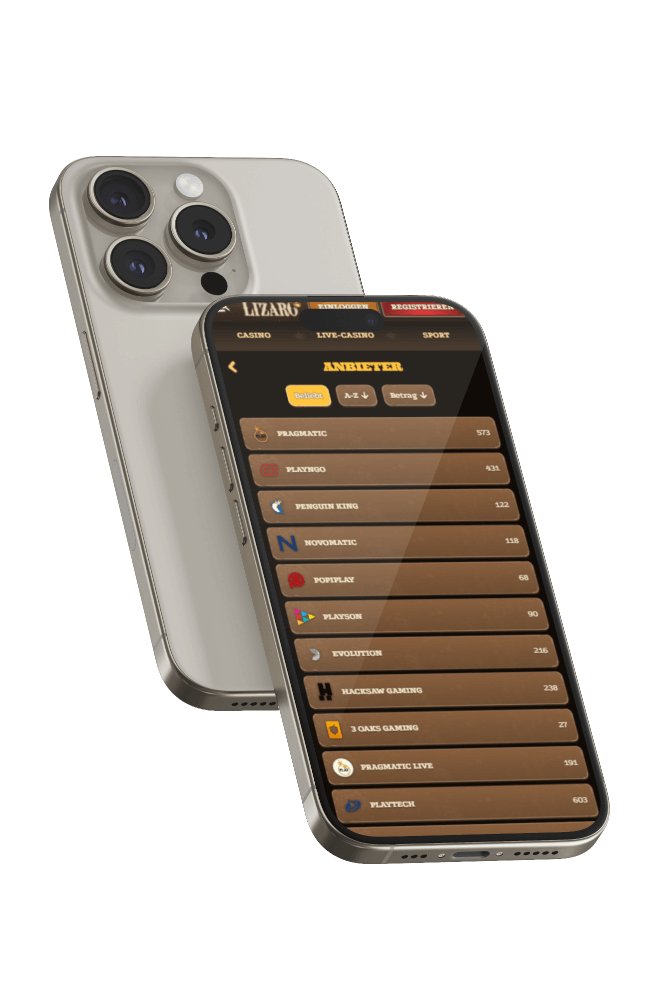
For instance, Lizaro offers a casino-style experience that rewards micro‑wins just like mobile games.
What role do real‑time social challenges play in player retention?
Real‑time challenges are time‑boxed events that last from 12 to 48 hours. They usually involve a leaderboard that updates every few minutes. A recent title released a “Nightfall Raid” that ran for 36 hours and saw a 45% spike in concurrent players during the event window. After the event, 60% of participants stayed active for at least a week, compared to 38% of the control group that played the same game without an event.
These challenges also encourage strategic planning. Players must decide which resources to allocate to maximize points, creating a layer of depth that appeals to both casual and hardcore audiences. Because the events reset, players feel a fresh incentive to return, preventing the plateau that often ends a game’s life cycle.
When you think about how mobile gaming keeps you coming back, it’s easy to see the parallels in other forms of digital entertainment. The same principles of micro‑wins and daily competitions are now being applied to streaming services, e‑learning platforms, and even fitness apps. A streaming service, for instance, might offer a “watch‑together” mode where friends can compete for the fastest completion time of a series. This crossover shows that the mechanics that work on mobile are transferable across industries.
Because of these developments, developers are focusing less on building massive, single‑player narratives and more on crafting ecosystems that reward regular, short interactions. The net effect is a more engaged player base that spends less time per session but more time overall. If you’re looking to stay ahead of the curve, consider how your own product could incorporate micro‑progression or real‑time challenges to keep users coming back day after day.